Craig Sechler
Narrator
Detalles
Ep 1 55m 01s Episodio 1
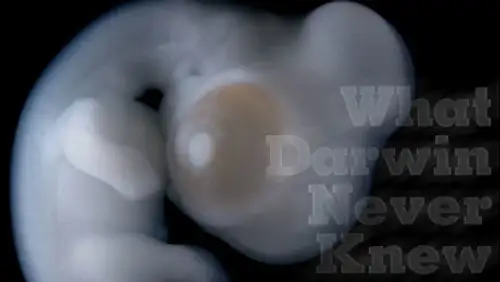
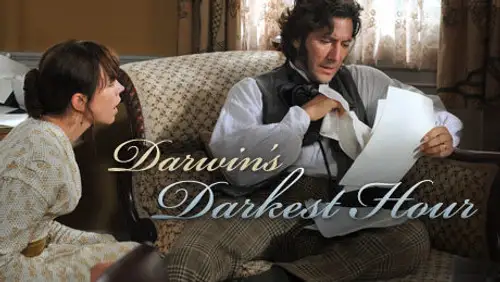
This two-hour scripted drama tells the remarkable story behind the unveiling of the most influential scientific theory of all time, Charles Darwin's theory of evolution by natural selection. The program is a special presentation from NOVA and National Geographic Television, written by acclaimed British screenwriter John Goldsmith and directed by John Bradshaw.
NOVA · S37E01
Ep 2 55m 43s Episodio 2
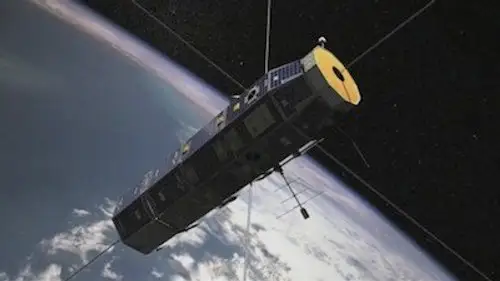
The best-known scientific instrument in history was dying. After nearly 20 years in space and hundreds of thousands of spectacular images, the Hubble Space Telescope's gyroscopes and sensors were failing, its batteries running down, and some of its instruments were already dead. The only hope to save Hubble was a mission so dangerous that in 2004 NASA cancelled it because it was considered too risky.
NOVA · S37E02
Ep 3 55m 10s Episodio 3
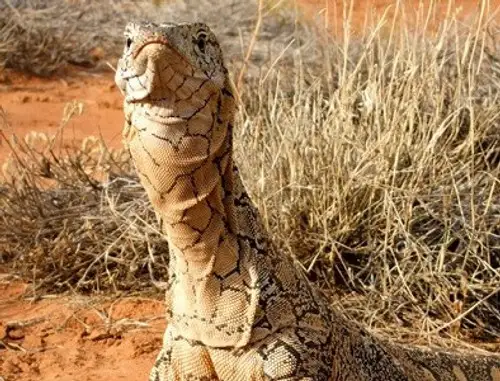
Though they may look like dragons and inspire stories of man-eating, fire-spitting monsters with long claws, razor-sharp teeth and muscular, whip-like tails, these creatures are actually monitor lizards, the largest lizards to walk the planet. With their acute intelligence — including the ability to plan — these lizards are a very different kind of reptile, blurring the line between reptiles and mammals. And even though these bizarre reptiles haven’t changed all that much since the dinosaurs, they are a successful species, versatile at adapting to all kinds of settings. “Lizard Kings” looks at what makes these tongued reptiles so similar to mammals and what has allowed them to become such unique survivors. But while the creatures can find their way around many different habitats, finding them is no easy task. Natural loners, and always on guard, they sense anything or anyone from hundreds of feet away. NOVA follows expert lizard hunter Dr. Eric Pianka as he tracks the elusive creatures through Australia’s heartland with cutting-edge “lizard cam” technology for an unparalleled close encounter with these versatile “living dragons.”
NOVA · S37E03
Ep 4 55m 22s Episodio 4
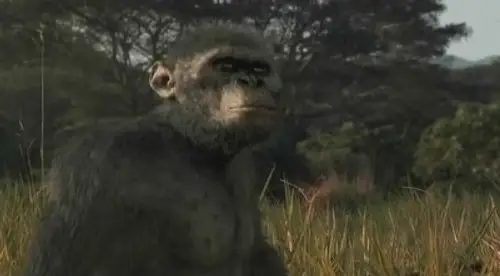
The first hour examines the factors that caused the split from the apes. The film explores the fossil of “Selam,” also known as “Lucy’s Child” — an amazing, nearly complete child fossil that helps shed light on our ancestors’ early development and how we began to depart from that of chimps.
NOVA · S37E04
Ep 5 55m 28s Episodio 5
In gripping forensic detail, the second program in “Becoming Human” investigates the first skeleton that really looks like us — “Turkana Boy” — an astonishingly complete specimen of Homo erectus found by the famous Leakey team in Kenya.
NOVA · S37E05
Ep 6 55m 24s Episodio 6
The final program examines the roots of our own species, Homo sapiens, which new evidence pinpoints to southern Africa some 200,000 years ago. New discoveries are upending old ideas and suggesting that our exodus from Africa was far earlier than previously thought.
NOVA · S37E06
Ep 7 55m 36s Episodio 7
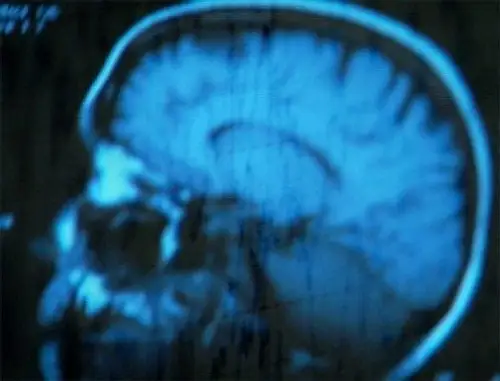
What are dreams and why do we have them? Are they a window into a hidden realm within us? Science is only just beginning to understand. NOVA joins the leading dream researchers and witnesses the extraordinary experiments they use to investigate the world of sleep. From human narcoleptics to sleepwalking cats, from recurrent nightmares to those who can’t dream, each sequence contains a vital clue to the question these scientists are pursuing: Why do we dream?
NOVA · S37E07
Ep 8 55m 40s Episodio 8
NOVA takes viewers on a journey from the Galapagos Islands to the Arctic, and from the Cambrian explosion of animal forms half a billion years ago to the research labs of today. Here scientists are finally beginning to crack nature’s biggest secrets at the genetic level. And, as NOVA shows in this absorbing detective story, the results are confirming the brilliance of Darwin’s insights while exposing clues to life’s breathtaking diversity in ways the great naturalist could scarcely have imagined.
NOVA · S37E08
Ep 9 55m 47s Episodio 9
NOVA dives beneath the waters of Pearl Harbor to trace provocative new clues to one of the most tragic events of World War II -- the sinking of the USS Arizona.
NOVA · S37E09
Ep 10 55m 15s Episodio 10
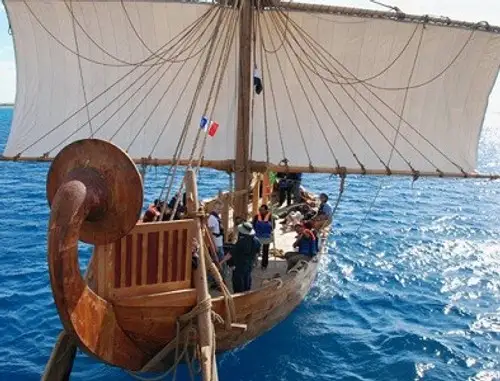
A magnificent trading vessel embarks on a royal expedition to a mysterious, treasure-laden land called Punt. Is this journey, intricately depicted on the wall of one of Egypt's most impressive temples, mere myth--or was it a reality? NOVA follows a team of archeologists and boat builders as they reconstruct the mighty vessel shown in the mysterious carving, and then finally launch it in to the Red Sea on a unique voyage of discovery.
NOVA · S37E10
Ep 11 55m 55s Episodio 11
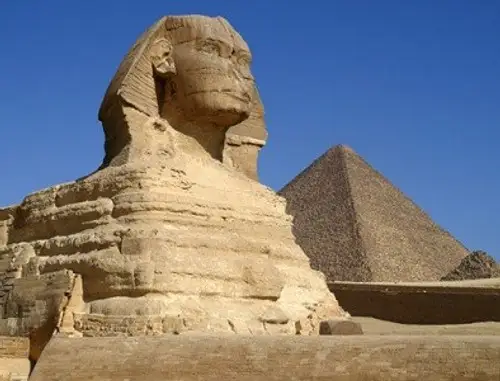
A team of archeologists carries out experiments that reveal the techniques and labor invested in the carving of the Sphinx. The team also unearths new discoveries about the people who built the gigantic sculpture and why they created such a haunting and stupendous image.
NOVA · S37E11
Ep 12 55m 27s Episodio 12
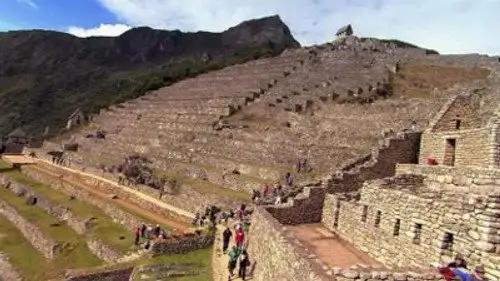
NOVA joins a new generation of archeologists as they probe areas of Machu Picchu that haven’t been touched since the time of the Incas.
NOVA · S37E12
Ep 14 55m 59s Episodio 14
When the American Museum of Natural History's Hayden Planetarium stopped calling Pluto a planet, director Neil deGrasse Tyson found himself at the center of a firestorm led by angry Pluto-loving elementary school students. What is it about Pluto—a cold, distant, icy rock—that captures so many hearts? Four years after the IAU (International Astronomical Union) officially reclassified the ninth planet as a plutoid, NOVA travels cross-country with Tyson to find out.
NOVA · S37E14
Ep 15 55m 00s Episodio 15
In a two-hour special, NOVA examines how a simple instrument, the telescope, has fundamentally changed our understanding of our place in the universe.
NOVA · S37E15
Ep 16 55m 07s Episodio 16
In a two-hour special, NOVA examines how a simple instrument, the telescope, has fundamentally changed our understanding of our place in the universe.
NOVA · S37E16
Ep 17 55m 52s Episodio 17
Exposes the mysterious and surprising nature of the two most powerful forces on the planet: the human mind and money. Using analysis and experiment, this film explores why economists failed to predict the 2008 crash and why we so often make irrational financial decisions.
NOVA · S37E17
Ep 18 55m 55s Episodio 18
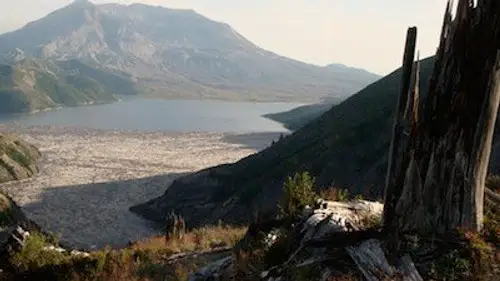
For 27 years, biologist Charlie Crisafulli has been documenting the dramatic return of plant and animal life to Mt. St. Helens after the 1980 eruption. / When Mount St. Helens erupted in 1980, every living thing in the blast zone was buried beneath 300 feet of avalanche debris, covered with steaming mud and, finally, topped with a superheated layer of frothy rock from deep within the earth. Biologist Charlie Crisafulli has remained at the site for 27 years, documenting the dramatic return of plant and animal life to the barren landscape and pioneering a new understanding of the interaction between geologic forces and the life surrounding the mountain.
NOVA · S37E18
Califica la serie
Compartir
XYZ123
9 horas hacePi3.14159
2 días haceProcrastinador
3 días haceUnicornioArcoíris
4 días haceLlegaElInvierno
5 días haceAmoLosGatos1234
6 días haceSoloUnFan
7 días haceAdictoAlCafé
8 días haceNocheTormentosa
9 días haceCapitánObvio
10 días hace987654321
11 días haceTruenoRetumbante
12 días haceAdictoALasSeries
13 días hace
Craig Sechler
Narrator
Linternas
Reacher
Silo
Ted Lasso
Furious
Outer Banks
La casa del dragón
Sterling Point
Operaciones Especiales: Lioness
Sobre ruedas
The Pitt
Lucky
Juego de tronos
El mentalista
Sacrificio de sangre
The Shards
Re:Zero - Empezar de cero en un mundo diferente
La maldición de Widow's Bay
Slow Horses
Star Trek: Strange New Worlds
Detalles